Control is not competence: the hidden risk of owning your supply chain
Post-pandemic volatility pushed brands toward vertical integration as a path to control. In today’s environment, that control is starting to look like a constraint.
Miguel Vieira
Last updated on 4/28/2026
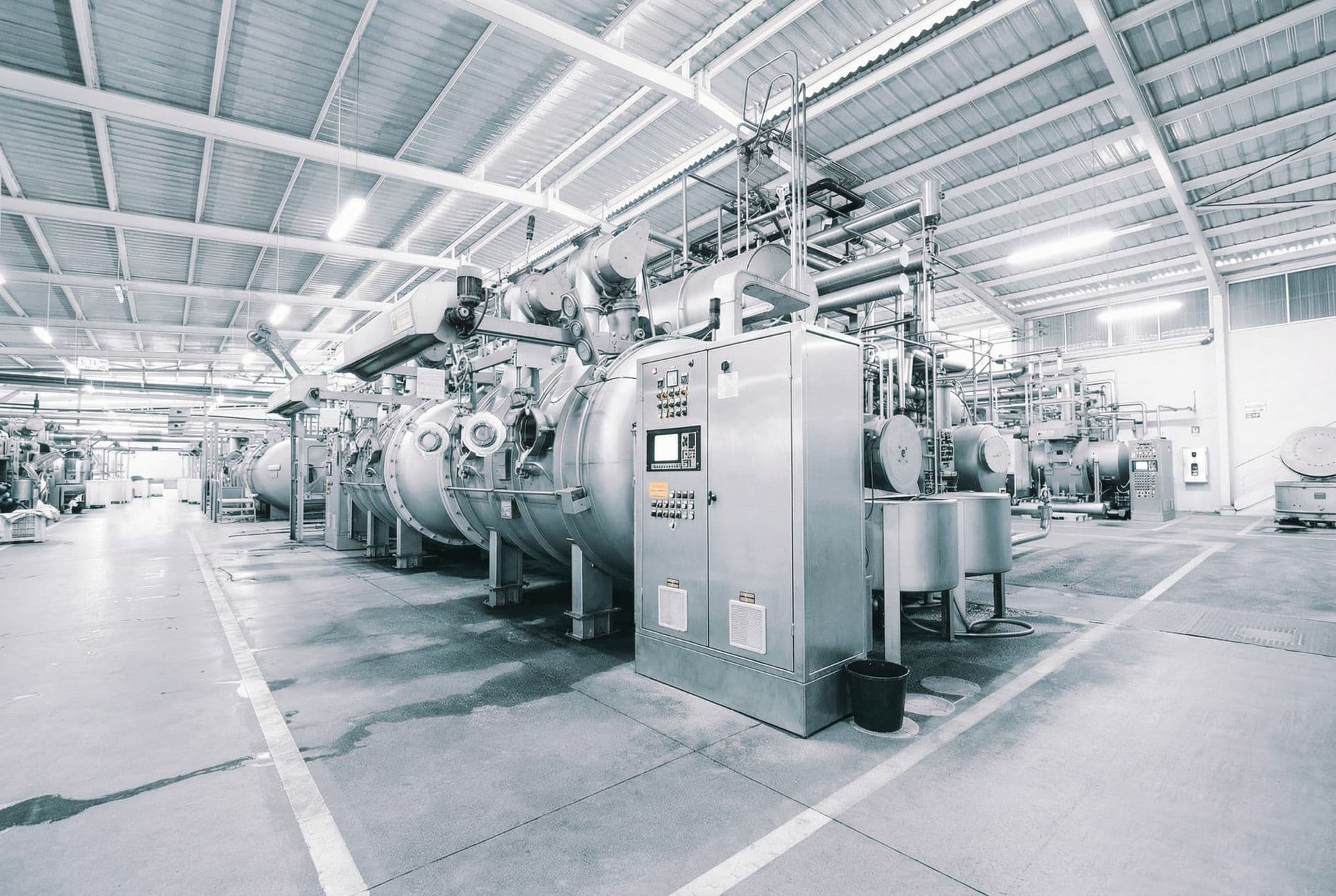
After years of disruption, ownership has started to look like safety. Factories, logistics networks, fulfilment centres. If brands can bring more of the supply chain in-house, the logic goes, they can reduce exposure, regain control, and stop being surprised by forces outside their walls.
It’s an understandable instinct. It’s also increasingly the wrong one. In the current operating environment, ownership is often confused with control. And for many brands, that confusion is quietly making their systems heavier, slower, and harder to change.
The illusion of “secure” supply chains
For the last five years, the dominant anxiety in supply chain management has been access. Pandemic bottlenecks, capacity shortages, and geopolitical friction pushed leadership teams toward a defensive posture. Secure the perimeter. Remove dependency. Bring critical nodes closer.
Vertical integration became the preferred response to volatility. It promised insulation from chaos and a sense of permanence in an unstable world. But as conditions shift, a different reality is becoming harder to ignore. For many brands, acquiring assets hasn’t delivered resilience. It has delivered rigidity.
Owning more of the supply chain doesn’t automatically make you stronger. In many cases, it simply makes you less mobile.
The liability of “safe” assets
The case for ownership is usually framed as either financial or operational. Brands want to capture margin, secure priority access, and exert tighter control over service levels.
The problem is that this logic depends on a stable baseline. It assumes predictable volumes, gradual change, and clear visibility into demand. That assumption no longer holds. When a brand brings manufacturing or logistics in-house, it replaces variable costs with fixed ones. In a growth cycle, this looks efficient. In periods of uncertainty, it becomes a constraint.
Real resilience now comes from the ability to pivot. To move production between regions, switch transport modes, or scale capacity up and down without friction. Ownership tends to work against this flexibility.
Once capacity is owned, pressure builds to keep it full. Decisions that should be made in service of the product or the margin begin serving the overhead of the facility instead. At the same time, owned infrastructure creates inertia. It becomes psychologically and financially difficult to walk away, even when market signals suggest a change is needed.
Control depends on optionality. Ownership steadily reduces it.
The DNA mismatch brands underestimate
Beyond the balance sheet, there is the issue of core competency. This is the "soft" risk that rarely shows up in due diligence but almost always impacts the P&L eventually.
Retailers are fundamentally marketing organisations. Their DNA is built around consumer desire, trend forecasting, and brand equity. Logistics and manufacturing are fundamentally industrial disciplines, shaped by standardisation, labour optimisation, and ruthless efficiency.
When a brand brings these functions in-house, they often assume they can export their culture of excellence to the factory floor. Instead, the complexity of running industrial systems dilutes the brand's focus.
It is possible to be a brilliant retailer and a mediocre logistics operator. When you own the supply chain, you are stuck with your own mediocrity. When you partner, you can fire mediocrity.
Ultimately, industrial assets work best in the hands of industrial specialists. Ownership creates value when it sits with organisations designed to run it, not when it is bolted onto a brand built for something else.
The great unwinding
We are already seeing the market correct itself. The industry is witnessing high-profile reversals where major players are decoupling from assets they once heralded as strategic victories.
American Eagle Outfitters is a clear example. In 2021, the retailer acquired Quiet Logistics to bring ecommerce fulfilment in-house during a period of extreme demand pressure. At the time, the move aligned with market conditions. As the market normalised, the economics changed. Fixed costs remained. Flexibility did not. In the years that followed, American Eagle moved to unwind those operations and refocus on core capabilities.
This is not a failure of execution; it is a strategic rationalisation. It is a recognition that the capital, attention, and rigidity required to maintain a proprietary logistics network outweighed the theoretical benefits of "control."
The lesson isn’t that the acquisition was foolish. It’s that the math changed. The fixed costs of ownership are unforgiving when volume fluctuates. It serves as a potent reminder that even successful, well-capitalised brands can find themselves weighed down by the very assets meant to liberate them.
Reframing what control actually means
So, if ownership isn’t the answer, what is?
The most resilient supply chains of the next decade will not be defined by asset accumulation, but by network agility. Control in this new era is less about possession and more about orchestration.
It means having clear visibility into inventory without the burden of the lease. It means securing priority access through data integration rather than capital expenditure. And it means building an infrastructure that is modular, able to integrate specialised operating partners and adapt as market conditions change.
The shift is simple. You want the leverage of a priority customer, not the liability of an owner. True control is the ability to change direction without paying a penalty.
The harder question for leaders
For senior leaders, this requires a shift in mindset. The question is no longer, “How do we own this so it’s secure?”It is, “How do we structure this so we can change course when we need to?”
It feels counterintuitive. It feels less “safe” than seeing your logo on the side of a truck or a factory wall. But in a volatile world, speed matters more than permanence. And you cannot move fast when you are carrying the weight of your own supply chain.
The real trap isn’t reliance on partners.
It’s reliance on decisions you can no longer undo.
Share this post
More related articles